A subject brief and up to eight optional references
Character traits, compact proportions and framing preference
Optional visual preferences; remove any you do not need
Describe the character's hair, outfit and expression. Choose a bust or a full-body illustration, then review one transparent chibi image with an oversized head and compact body proportions.
Review your brief and references in Vizify before generation. Preferences guide new artwork; they are not exact export settings.
A subject brief and up to eight optional references
Character traits, compact proportions and framing preference
Optional visual preferences; remove any you do not need
One static chibi bust or full-body illustration
An image to inspect for details, complete edges and real alpha
Chibi describes a large head and simplified compact body, not just a cute palette. Full-body framing makes the outfit and pose visible; a bust puts the expression first. Neither preference creates separate editable parts.
Check hands, feet, ears and accessories for clipping or extra shapes. Compare character markings with references and verify true alpha around the small silhouette.
This page prepares your request. Vizify opens it for review, then uploads selected images after sign-in when you send the task. Generation uses credits; preparation does not start a paid image job.
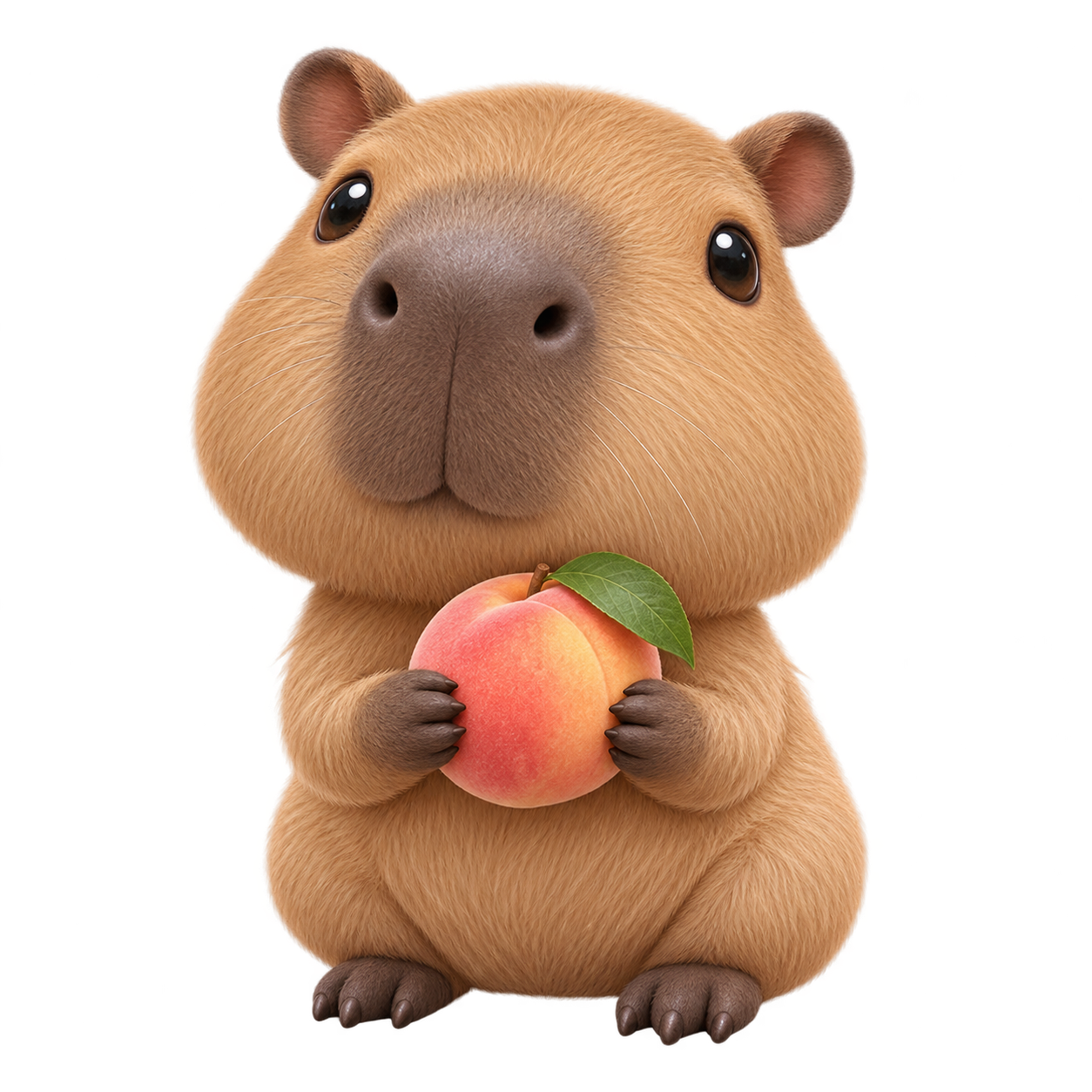
Create one original static square chibi illustration with a large head and compact complete body. One original tan capybara with an oversized rounded head, small ears, a short body and a peach held between its front paws. Center the complete character with breathing room around hands, feet and accessories; keep all named details visible. No text. Use real native alpha outside the silhouette. No scene, letters, logo, watermark or collage.
Example image of this brief. Inspect the actual alpha and complete silhouette.
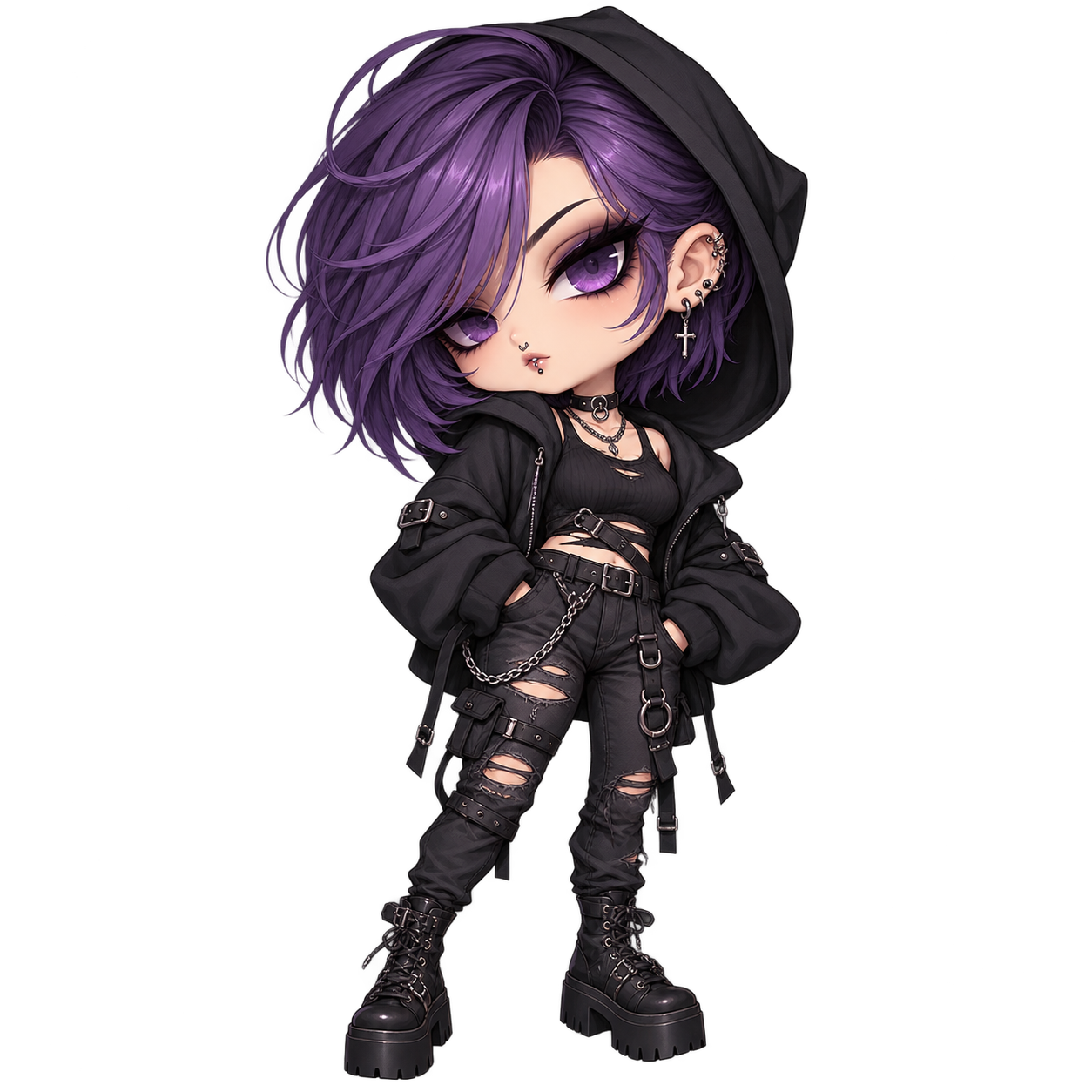
Create one original static square chibi illustration with a large head and compact complete body. An original adult chibi character with an oversized head, violet side-swept hair and a black hoodie. Center the complete character with breathing room around hands, feet and accessories; keep all named details visible. No text. Use real native alpha outside the silhouette. No scene, letters, logo, watermark or collage.
Example image of this brief. Inspect the actual alpha and complete silhouette.
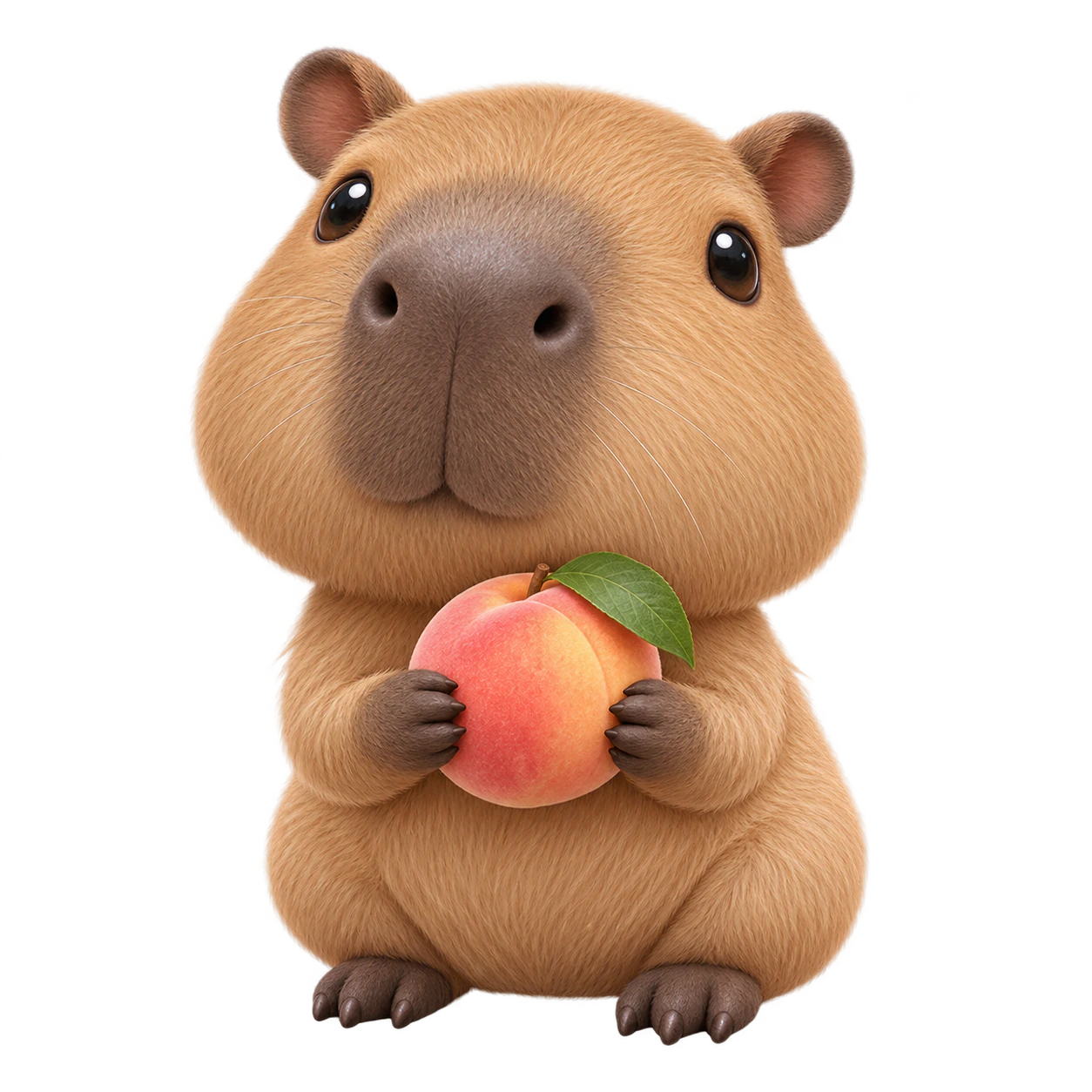
A broad capybara muzzle, small rounded ears and chibi proportions make a recognizable miniature animal character.
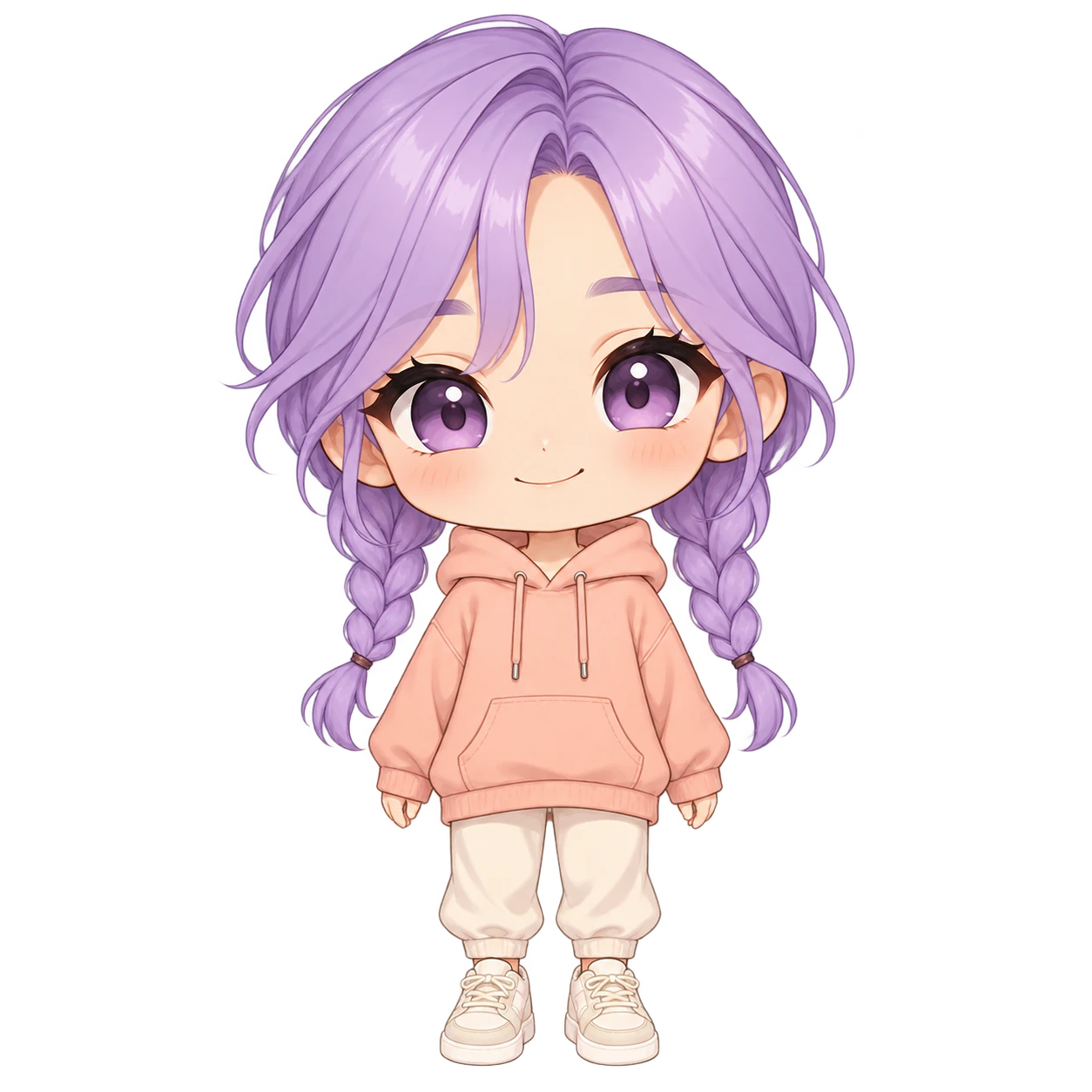
Create one original chibi avatar from your details and an optional reference. Request a transparent PNG, then inspect the silhouette and alpha.
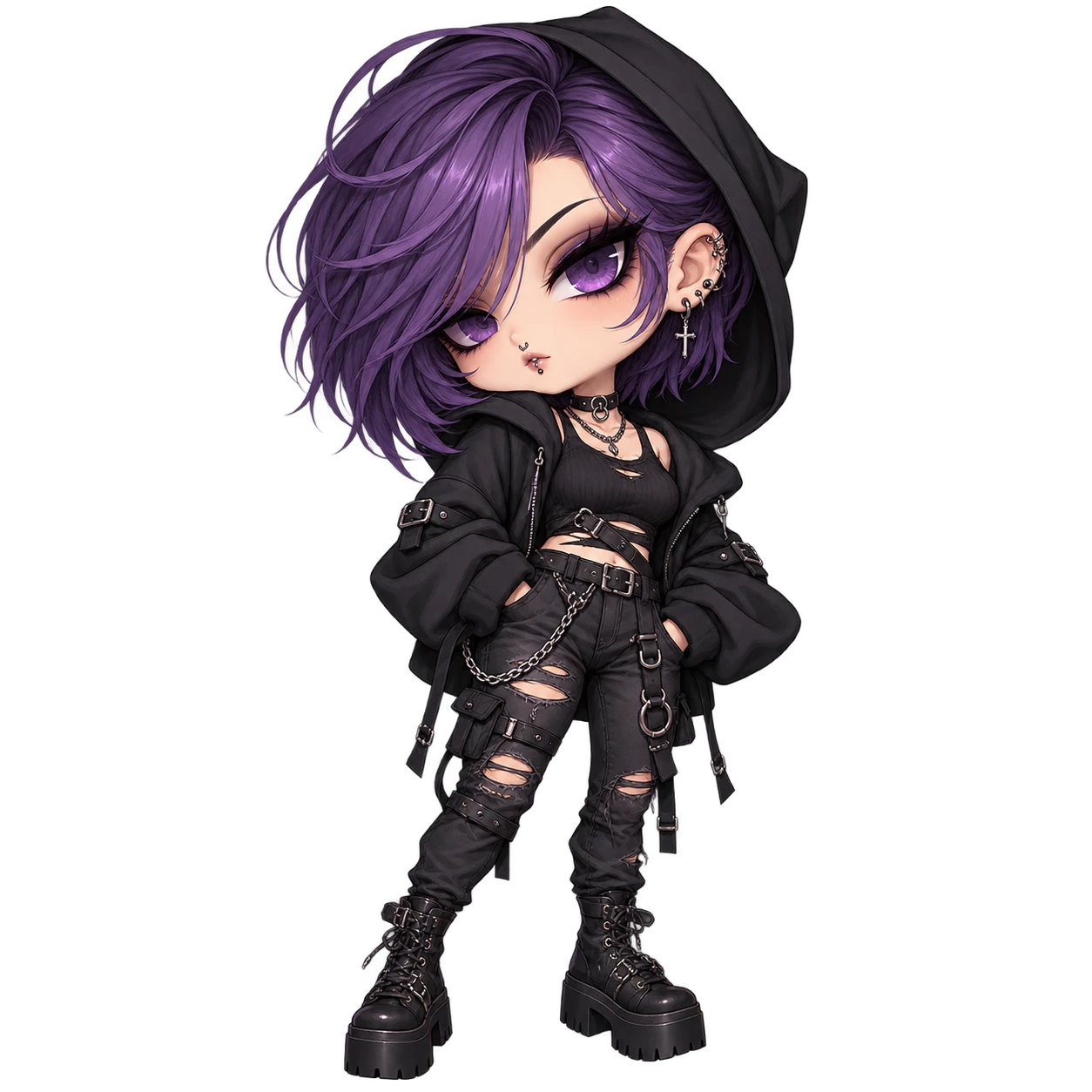
An oversized head, side-swept fringe and dark layered clothing give an adult chibi character an emo visual direction.
One original chibi bust or full-body character illustration. Describe the person or creature, outfit and expression. The large-head, compact-body proportion is the main direction; the result is a single static image, not a collection of editable character parts.
Chibi describes exaggerated compact proportions. Kawaii is a broader cute aesthetic that can include ordinary proportions, objects and animals. You can make a soft pastel chibi, but a pastel palette alone does not give the character a chibi head-to-body relationship.
Yes, as an optional reference. Say which features to retain, such as glasses, hair color or distinctive markings. Proportion changes and generative redrawing can alter details, so compare the result rather than treating it as an exact likeness or a fixed character specification.
No. You describe clothes and pose in the brief, and Vizify generates an illustration. There is no click-to-swap wardrobe or locked parts editor. A full-body picture does not include a rig, animation states, model geometry or reliable matching views.
No. You can describe an original subject without uploading anything. References are optional appearance or style cues. When you add several, explain which guides the subject and which guides the art direction. The image is newly generated, so compare important features rather than assuming every detail is preserved.
The request targets a model with native transparent-background support. That request alone does not prove the delivered file has alpha. Place the result over both light and dark backgrounds and inspect hair, outlines and accessories. White fill or a checkerboard painted into the picture is not transparency; report any uncertainty before using the image.
Up to eight optional PNG, JPEG or WebP references, each no larger than 10 MB. Use images you are authorized to upload, and label their purpose in your brief. A model's own reference limit can differ; the Agent inspects current support before execution rather than silently promising every upstream parameter.
No. Your brief, selected preferences and staged images first open in Vizify. Review the task, sign in, and send it to start generation. Selected files are initially held in your browser; the App performs the authenticated durable upload after sign-in. Check that the intended subject and reference roles are present before sending.
Preparing the request on this page is free. Running generation and saving the result require sign-in and use Vizify credits. Check the current balance, allowance and price in the App before sending. A free preparation step does not mean unlimited image generation or a guaranteed free download.
No. The examples show a visual direction. Your result can vary with the model, your description, reference images and settings. Check the character details and likeness where relevant, along with the actual transparency and fine edges. The same brief does not guarantee an identical image.
Use a bust when the expression and hair are the main story. Choose full body when the outfit and little pose matter, and name the hands, feet or accessories that must remain visible. Describe proportions before palette. The framing and image shape guide new artwork; they do not perform a deterministic crop.
Check hands, feet, ears and accessories for clipping or extra shapes. Compare character markings with references and verify true alpha around the small silhouette. Look at the complete file first, then at thumbnail scale. Try light and dark surfaces to reveal leftover background color or halos. A new request can change the subject’s details, so keep an approved image as a reference and compare each new result.
For a broad original avatar, use PFP Maker. To remove the background from an existing image, use Image Background Remover and compare the subject with the source. Image to Anime handles a photo-first anime transformation. Exact cropping, resizing and platform exports are separate tasks.